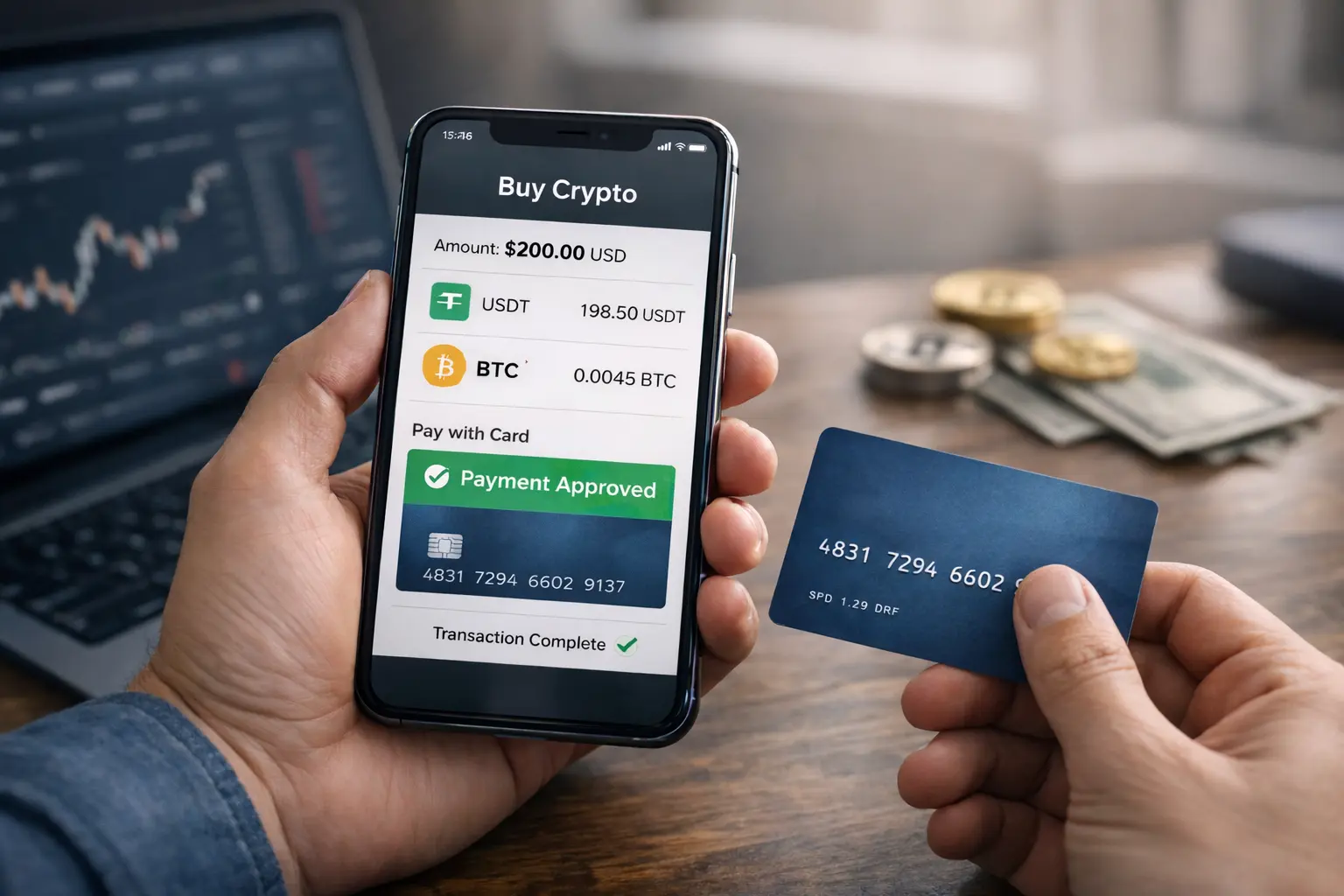
So you have a prepaid Visa or Mastercard sitting around and want to buy some crypto with it? Here's the thing nobody tells you upfront: most of the exchanges out there will reject it. Simply because they don't like prepaid cards. The reason why matters, but the workaround is obvious.
This guide explains why the mainstream route fails, how to buy crypto with prepaid card no KYC, as well as how to do it step by step.
Why Use a Prepaid Card to Buy Crypto?
A prepaid Visa or Mastercard isn't attached to your name the way a bank account is, so it's fully private. You load money onto it, you spend it, and your personal banking history stays out of the transaction entirely.
However, there's more to it:
- Whatever's on the card is all you can spend (meaning no accidental overdraws).
- Many crypto buyers keep one card solely for crypto-related activity.
- Prepaid cards are accessible to people without a traditional bank account or a credit history.
Prepaid cards are also fast. Unlike a wire transfer or ACH bank payment, which can take one to three business days to clear, a prepaid card balance is available immediately.
Where Can I Buy Crypto with a Prepaid Card?
Most people try major crypto exchanges first and get declined. But there are better options.
Most centralized exchanges don't accept prepaid cards
CEXs must comply with strict anti-money laundering and Know Your Customer rules. Their payment processors have rules about which card types can be used for purchases. There are several reasons for flagging prepaid cards:
- They have no verified identity attached to them. It's a major compliance issue.
- Chargebacks on prepaid cards are messier than on linked bank accounts.
- Visa and Mastercard categorize many prepaid products differently from standard debit cards, and processors apply that distinction automatically.
So if you're trying to buy crypto with a prepaid card on a major exchange, prepare to have a bad time.
P2P Platforms: The Best Way to Use Prepaid Cards
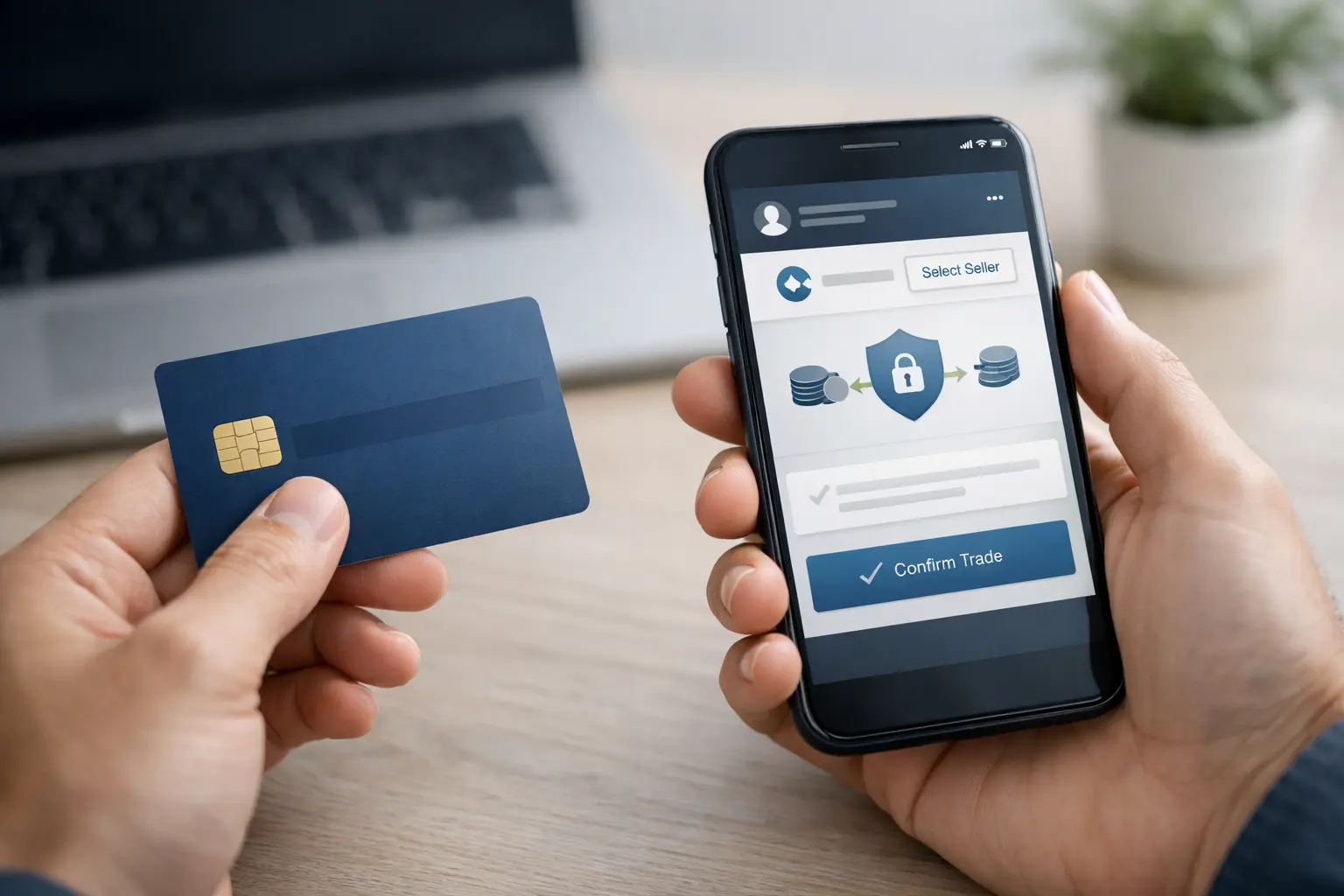
On a P2P exchange, you're buying from another person, someone who already holds Bitcoin or USDT and wants to convert it back to fiat. The platform's job is to hold the crypto in escrow while the deal is being finalized.
It works like this:
- A buyer finds a seller who lists prepaid Visa or Mastercard as an accepted payment method.
- The buyer opens a trade. The platform immediately locks the seller's crypto in an escrow contract.
- The buyer sends the funds from the prepaid card to the seller, following the seller's instructions.
- The seller confirms they received it. The escrow releases the crypto to the buyer's wallet.
That escrow step is very important because it means crypto can't be moved until both parties confirm the trade. If something goes wrong, either party can open a dispute.
PRO TIP: HodlHodl is a platform most commonly used for this. It runs a non-custodial model, meaning the platform never actually holds your funds at any point in the process.
How to Buy Crypto with Prepaid Card
If you are wondering how to buy crypto with a prepaid card, don't worry, it's easy.
Step 1: Pick a platform and set up an account. You won't need to upload your ID to access most offers.
Step 2: Once you're logged in, use the payment method filter. Select "Prepaid Visa" or "Prepaid Mastercard" depending on what you have. Make sure to look at three things: trade completion rate (anything under 90% is a yellow flag), total number of completed trades (a seller with 500 trades is a safer bet than one with 12), and feedback.
Step 3: Enter your amount, start the trade, and confirm that escrow is active before you do anything else. Don't send money until you see the crypto is locked.
Step 4: You will receive the payment instructions from the seller. Don't forget to take a screenshot of the confirmation when you're done. This is your evidence if anything gets disputed later.
Step 5: The escrow is released as soon as the seller confirms they received payment. Usually, the crypto will show up in your wallet within minutes.
IMPORTANT: Never take the conversation off-platform. All communication should stay within the P2P platform's chat to maintain dispute protection.
Is it Safe to Buy Crypto with a Prepaid Card?
P2P trading is safe when used correctly. Although the risks are real, you will be good if you follow the rules.
You should also remember that:
- Scam sellers exist, but they are not that difficult to spot. Stick to experienced traders with reviews.
- Prepaid card payment failures can happen. Some prepaid cards have restrictions on international or online transfers baked into their terms by the card issuer.
- Sellers offering prepaid card trades typically charge 2-5% above the market rate, so don't forget to factor it in.
P2P with a prepaid card is one of the most private options, especially on platforms that don't require ID verification for smaller trades. That combination is about as clean as fiat-to-crypto gets.
PRO TIP: Reloadable prepaid Mastercards and Visas suit this purpose better than single-load cards. Single-load cards often have online transaction restrictions or can't process transfers to certain merchant categories.
What's Next? Spend Your Crypto with a Prepaid Crypto Card
Holding or sending it somewhere is fine. But at some point, you would want to use your funds in daily life. For that, you need something that translates crypto into spending power at real-world merchants.
That's where OkiCard comes in.
OkiCard is a prepaid crypto card no KYC that works with 40+ million merchants worldwide. Users can top it up with USDT (TRC-20, ERC-20, BEP-20, or SPL) and use it to pay for purchases. OkiCard doesn't require ID scans, selfies, or credit checks. It sits outside the CARF and CRS reporting scope because no identity profile gets created.
Setup takes under 60 seconds through the OkiCard Telegram bot. Virtual card details arrive instantly. It connects to Apple Pay and Google Pay, so tap-to-pay at any NFC terminal works perfectly.